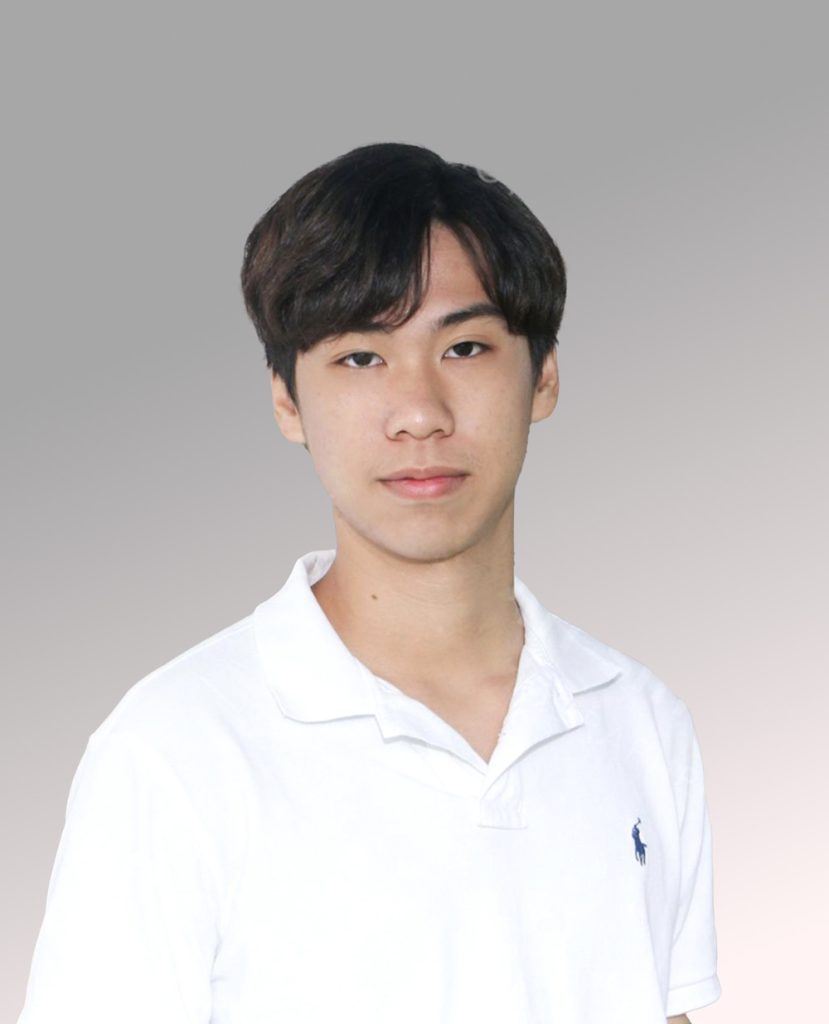
From childhood, I was deeply inspired by my grandfather, Đặng Văn Thân—an Honored Labor Hero during Vietnam’s Renovation Era. His pioneering work in transforming the postal sector and his belief that “Technology is not only a powerful tool, but also the key that unlocks the door to the future” sparked in me a lifelong passion for science and nature. Our shared moments solving math problems weren’t just exercises—they were lessons in curiosity, logic, and perseverance. That foundation led me to win several national math awards as a child and shaped how I approached learning: with discipline, precision, and a deep respect for knowledge.
But when I moved from Vietnam to a U.S. boarding school in my sophomore year, everything I thought I knew about learning was challenged. My GPA dropped, not because I stopped working hard, but because the rules had changed.
In Vietnam, achievement meant perfect memorization, but that didn’t work here. My English teacher handed back my water pollution essay—twelve sources, perfect citations. C+. “Where are YOU in this?“. I didn’t get it. In Vietnam, inserting yourself meant you hadn’t mastered the material. Here, silence at the table meant failure.
Everything changed during Chemistry class. Ashley asked what would happen if we altered reaction temperature. I froze—I’d memorized outcomes, not learned to predict. Then I remembered watching my grandmother cook pho, adjusting heat to control flavor extraction. “Like making soup,” I said. “Higher temperature means molecules move faster, more collisions, faster reaction—but too hot and proteins denature, like overcooking meat.”
My teacher smiled. “Now you’re thinking.”
Oh. They didn’t want me to forget what I knew. They wanted me to connect it to life.
Once I understood American education wanted my voice, not just my memory, everything clicked. My GPA climbed to 3.9 junior year while taking AP Chemistry and AP Calculus AB, even self-studying AP Computer Science Principles. I didn’t just adapt—I thrived.
This journey—from solving math problems with my grandfather to rediscovering learning through lived experience—taught me that knowledge is not just memorized, but lived. Today, I approach education with curiosity, creativity, and confidence. I’ve learned that growth comes not from perfection, but from reflection—and that the most powerful insights often begin with a question, a memory, or a bowl of soup.
ACHIEVEMENTS & AWARDS
Although these awards were not major, they represent the result of our effort, creativity, and team spirit—shared by both myself and my teammates.”